For children with dyslexia, we offer a specialized morning session from 8:00 AM – 9:20 AM. Our specialists work with students and set them up for a successful day of small group learning.
Awareness of larger units of sound including: – Rhyming (recognizing and generating rhymes) – Onset and rime awareness (beginning consonant sounds vs. the rest of the word)
Oral language activities focused on hearing and playing with sounds before letters are introduced
Phonemic Awareness Skills (subset of phonological awareness focused on individual phonemes)
Identifying and isolating individual sounds (phonemes) in words
Blending phonemes to form words (e.g., /c/ /a/ /t/ → “cat”)
Segmenting phonemes to break words into sounds (e.g., “dog” → /d/ /o/ /g/)
Manipulating phonemes by adding, deleting, or substituting sounds (introductory level)
Concepts of Print
Understanding print carries meaning
Book handling: parts of a book, reading directionality (left to right, top to bottom)
Distinguishing letters, words, and sentences
Spaces between words and punctuation recognition
Tracking print with 1:1 correspondence during reading
Letters and Sounds
Identifying uppercase and lowercase letters and their corresponding sounds
Multisensory letter learning through Zoo-Phonics: animal cues, gestures, and movement
Early Orton-Gillingham techniques: tactile and visual letter formation
High-Frequency Words
Introduce simple sight words (I, see, the, a, like)
Use visual supports, chants, and interactive games for recognition and recall
Blending and Segmenting
Blend onset and rime segments orally
Segment simple CVC words using manipulatives and tapping
Use Elkonin boxes and finger tapping as visual-auditory aids
Encoding and Decoding
Begin decoding simple phonetic words (CVC) through blending sounds
Encoding words using letter-sound knowledge (spelling simple words)
Use kinesthetic and tactile methods (letter tiles, writing, tracing)
Word Families
Introduce basic word families (-at, -an, -op, -it)
Word ladders, rhyming games, and sorting activities to reinforce patterns
Using Contextual Clues
Use picture clues and sentence repetition to infer unknown words
Model questioning strategies: “What word makes sense here?”
Listening and Comprehension
Answer WH questions based on stories
Retell stories using pictures
Predict outcomes using illustrations
Guided Reading Strategies
Picture walks, choral and echo reading
Use predictable texts for confidence building
Reading Materials
Zoo-Phonics emergent readers
Predictable and patterned texts
High-frequency word books
Reading Group 2: Foundational Readers
Target Audience: Kindergarten to Grade 2
Focus: Strengthening decoding, encoding, fluency, and comprehension skills
Builds phonemic awareness and sound-letter connections
Teaches clear articulation and decoding
Personalized pacing: from basic sounds to complex blends
Multi-sensory instruction for all learning styles
Reading Comprehension
Engaging, high-interest literature
Strategies include: – Retelling – Sequencing – Identifying main ideas, characters & settings – Making inferences and drawing conclusions
Literature-based lunch discussions deepen understanding in a relaxed, social setting
Social Emotional Development
Zones of Regulation Curriculum – Identify, name, and manage emotions – Practice flexibility and coping skills – Foster resilience, teamwork, and social problem-solving
Prepares children for real-world relationships and transitions
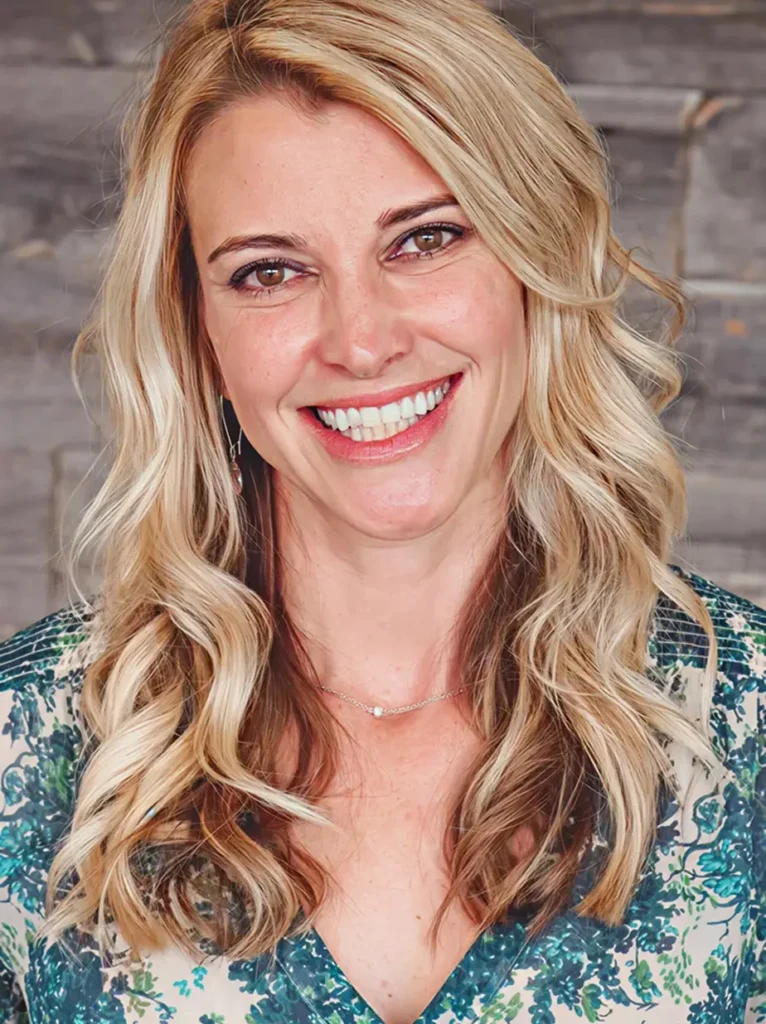
Before School Speciality Program Led by Anna Laboon
With more than 15 years in education, Anna Laboon is a passionate advocate for children who need individualized instruction and emotional support beyond what typical classrooms provide.
About Anna:
📍 Founder of Activ8 Learning Center (est. 2014) – Supporting families in Orange County 🎓 M.A. in Reading – University of San Diego 📜 Credentialed Teacher 🧠 Trained in Lindamood-Bell & Slingerland Method (dyslexia support) 🗣 Certified in Social Thinking® Concepts 🏫 Experience in general education, GATE programs, and special education 👩👦 Mom of two boys with special needs — she lives what she teaches
Join a growing community of families who are taking learning into their own hands.